Every beach club season starts the same way: more guests wanting lessons than instructors to teach them. Becoming a sailing instructor is one of the few travel jobs where demand reliably outstrips supply, and the path is shorter than most people think.
What qualification do you actually need?
For dinghy sailing, the RYA Dinghy Instructor certificate. It is the ticket RYA training centres worldwide recognise, and it is what beach clubs ask for at hiring time. The prerequisite is modest: the RYA Adult Level 1 certificate, or sailing to that standard.
The two routes
The traditional route is spread across a UK season: build your sailing at a local club, do your pre-entry assessment, then find an instructor course and a first aid course on separate weekends. It works, and it suits people who cannot take a month out.
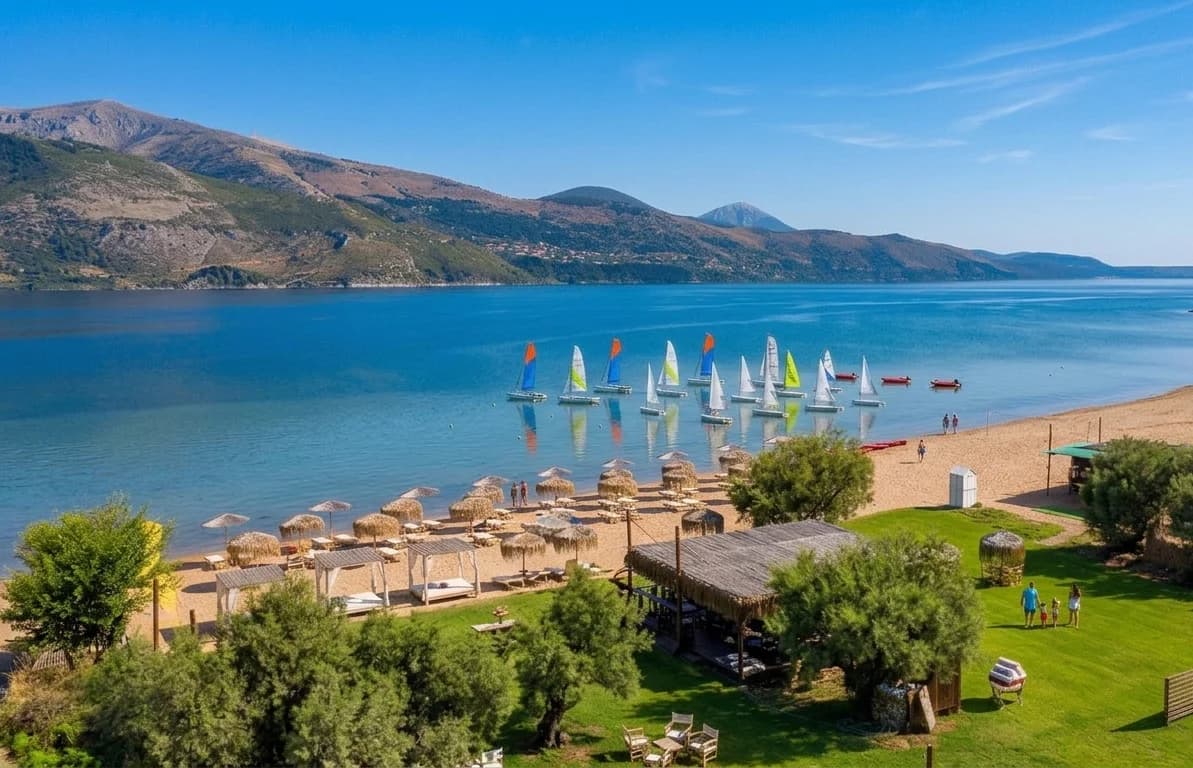
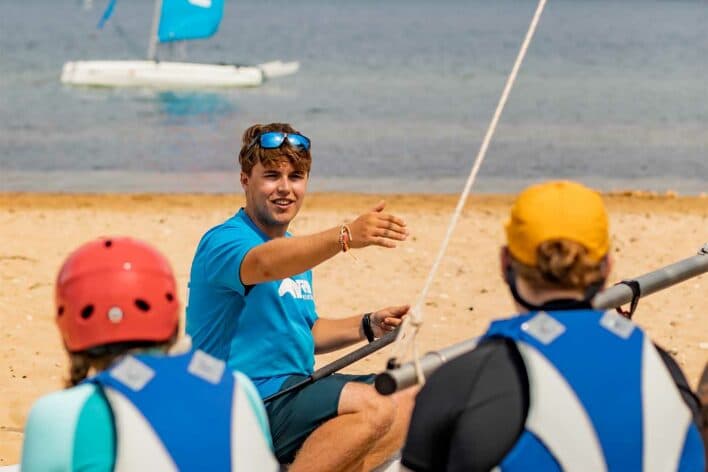
The residential route compresses everything into four weeks at our Kefalonia beach club: personal sailing, teaching practice on real guests and the final RYA moderation, with accommodation and food part of the deal. A month is a real commitment, but you come out the other side qualified and already used to the rhythm of teaching at a busy centre.
Getting the first season
Newly qualified instructors get hired. Clubs want enthusiasm and a current ticket more than a long CV, and training at a working beach club means your reference comes from people who watched you teach. Our own seasonal team takes on new instructors each year, and a season in Greece reads well to every employer after it.
Is instructing right for you?
Honest test: do you enjoy the moment someone else gets it? Instructing is more coaching patience than personal sailing glory; your own best sailing happens on days off. If that sounds like a fair trade for a summer on the water, it probably is.